Menopause is a natural stage in every woman’s life, marking the end of her reproductive years. Although it isn’t a medical condition, the hormonal changes that come with menopause can affect women in different ways. Some women notice only mild changes, while others experience symptoms such as hot flashes, poor sleep or mood changes that can influence their physical comfort, emotional wellbeing and daily routine.
Understanding what to expect during the menopause stage can make this transition easier to manage. Alongside healthy lifestyle choices and appropriate medical care, some women also explore complementary approaches such as Ayurveda to support their wellbeing during menopause.
What Is Menopause?
Menopause begins when a woman has gone 12 months without a menstrual period, and there is no other medical cause. It occurs when the ovaries gradually produce lower levels of oestrogen and progesterone. The word menopause comes from the Greek words men (month) and pausis (cessation), referring to the end of monthly menstrual periods.
Before menopause, many women go through perimenopause, a transitional stage when hormone levels fluctuate and periods may become irregular. Post menopause follows menopause, when lower hormone levels make bone and heart health increasingly important.
What Are the Stages of Menopause?
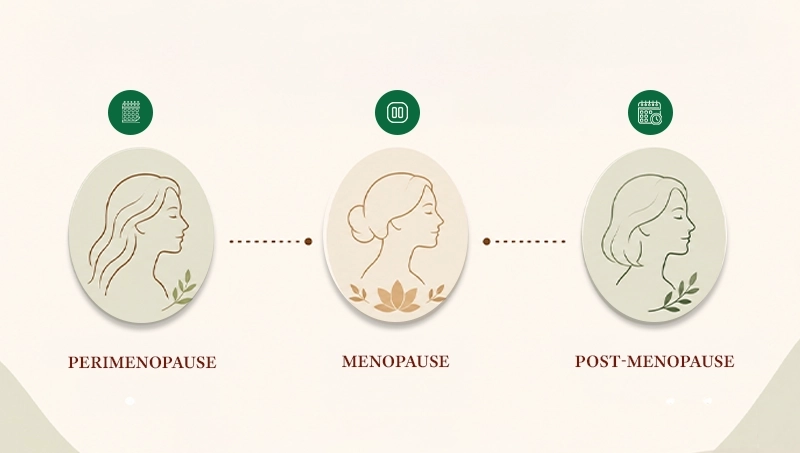
Menopause develops gradually and is usually divided into three stages.
Perimenopause
Perimenopause is the transition before menopause. Hormone levels fluctuate during this stage, often causing an irregular menstrual cycle and the first signs of menopause.
Menopause
A woman reaches menopause after going 12 months without a menstrual period. At this point, the ovaries produce much lower levels of oestrogen and progesterone, and fertility naturally comes to an end.
Post-Menopause
Postmenopause refers to the years after menopause. Although hormone levels become more stable, lower oestrogen levels may increase the risk of osteoporosis and heart disease. Healthy lifestyle habits and regular health check-ups remain important after menopause.
At What Age Does Menopause Usually Begin?
The average menopause age in the UK is around 51 years, although it varies from woman to woman. Some women experience menopause earlier, while others reach it later. Menopause that starts in your early forties is called early menopause. If it begins before the age of 40, it is known as premature menopause.
Although less common, menopause before age 40 should always be evaluated by a healthcare professional. Genetics, medical treatments, surgery and certain health conditions can influence when menopause begins.
Common Symptoms of Menopause and Their Impact
Menopause symptoms vary from woman to woman. Common symptoms include:
- Hot flashes and night sweats
- Irregular periods or irregular bleeding
- Mood changes, anxiety and poor sleep
- Fatigue and brain fog
- Joint pain and muscle aches
- Vaginal dryness and reduced libido
- Weight gain, dry skin and hair thinning
These symptoms can affect everyday life in different ways. Poor sleep and fatigue may make it harder to concentrate, while mood changes and anxiety can influence emotional health and relationships. Joint pain, muscle aches and vaginal dryness may also affect comfort and daily activities. Although symptoms vary in severity, healthy lifestyle habits and appropriate medical care can help many women manage them.
These changes occur as hormone levels gradually decline, leading many women to wonder what causes menopause in the first place.
What Causes Menopause?
Many women wonder what causes menopause. Most women experience menopause naturally as they age, when the ovaries gradually produce less oestrogen and progesterone until menstrual periods stop. Menopause may also occur after the surgical removal of both ovaries or as a result of treatments such as chemotherapy or radiotherapy.
Healthy Lifestyle Tips During Menopause
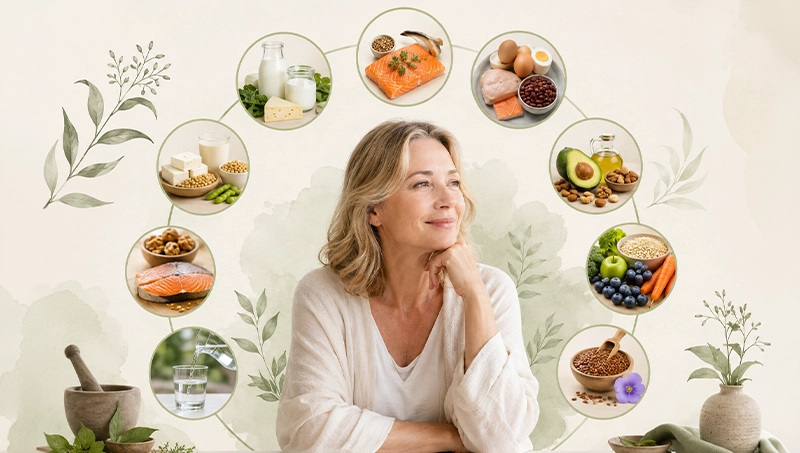
Many women also explore natural remedies for menopause alongside medical advice to help manage their symptoms. Healthy lifestyle habits can make menopause easier to manage. Although there is no single food or activity that prevents symptoms, eating well, staying active and looking after your general health may help improve comfort and support long-term wellbeing.
A balanced menopause diet should include:
- Calcium-rich foods such as milk, yoghurt, cheese and leafy green vegetables
- Vitamin D-rich foods, including oily fish and fortified foods
- Protein-rich foods like fish, eggs, beans and lean meats
- Healthy fats from nuts, seeds, avocados and olive oil
- Fibre-rich whole grains, fruits and vegetables
- Omega-3-rich foods
- Phytoestrogen-rich foods such as soya products and flaxseeds
- Plenty of water
Regular exercise, including walking, strength training, yoga, Pilates and stretching, may help maintain bone health, muscle strength, flexibility and mobility. Many women also find that staying active improves sleep, eases stress and supports weight management.
Simple daily habits can also make a difference. Maintaining a regular sleep routine, managing stress, avoiding smoking, limiting alcohol and reducing excess caffeine may help some women feel more comfortable during menopause. Although menopause cannot be prevented, healthy lifestyle habits can make symptoms easier to manage.
When Should You Speak to a Doctor?
Menopause is a natural stage of life, even though some symptoms should always be assessed by a healthcare professional. Speak to a healthcare professional if you have heavy or persistent irregular bleeding, menopause before 40, severe hot flashes, ongoing depression, symptoms that affect daily life or concerns about osteoporosis. Any vaginal bleeding after menopause should also be assessed promptly.
How Does Ayurveda View Menopause?
Ayurveda views menopause as a natural stage of life and considers each woman’s symptoms, lifestyle and general health before recommending care. Advice may include dietary changes, daily routines and traditional Ayurvedic therapies. Rather than using the same approach for everyone, recommendations are based on a woman’s individual needs and concerns.
Ayurvedic Therapies That May Support Women During Menopause
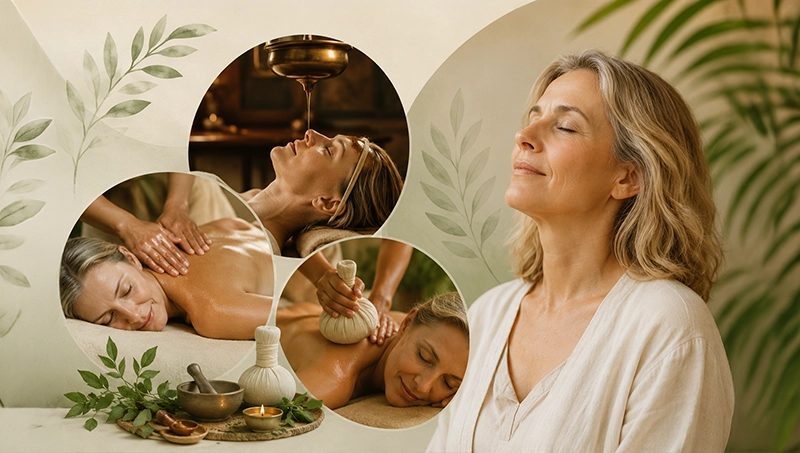
After an Ayurvedic consultation, a practitioner may recommend therapies based on your symptoms, lifestyle and general health.
Shirodhara
Shirodhara involves a gentle stream of warm herbal oil poured across the forehead. It can be considered to support relaxation, sleep, stress, and emotional well-being during menopause. Available at our Walsall, Birmingham, Southall (London) and Northampton clinics.
Abhyangam (Hot Oil Massage)
Abhyangam is a full-body Ayurvedic massage using warm herbal oils selected according to individual needs. It may help ease muscle or joint stiffness while promoting relaxation. Available at our Southall (London) clinic.
Massage & Herbal Bag Massage
Massage & Herbal Bag Massage may be recommended to help ease muscle tension and physical discomfort as part of a customised treatment plan. Available at our Southall (London) clinic.
Other Therapies That May Be Recommended
In some cases, an Ayurvedic practitioner may recommend additional therapies after assessing your symptoms, lifestyle and health history.
Marma Massage
Marma Massage focuses on specific points on the body and may help promote relaxation, ease muscle tension and support overall wellbeing. Available at our Southall (London) clinic.
Panchakarma Treatment
Panchakarma is an Ayurvedic programme that may be considered after a detailed consultation if appropriate for your symptoms and health needs, rather than being a standard treatment for menopause. Available at our Walsall, Birmingham and Northampton clinics.
Ayurvedic Consultation at Marx Ayur
Menopause affects every woman differently, so Ayurvedic care begins with a consultation. Your practitioner will discuss your symptoms, lifestyle, medical history and health goals before recommending suitable therapies.
At Marx Ayur, experienced Ayurvedic practitioners offer authentic Kerala Ayurvedic therapies across our UK clinics. Depending on your needs, recommendations may include therapies such as Shirodhara, Abhyangam, Massage & Herbal Bag Massage or other appropriate Ayurvedic treatments.
Conclusion
Menopause is a natural stage of life, but its symptoms can affect every woman differently. Healthy lifestyle habits, a balanced diet and regular exercise can help support wellbeing during this transition. Alongside conventional medical care, some women also explore Ayurveda for additional support. If menopause symptoms are affecting your quality of life, booking a consultation can help you find the support that’s right for you.
FAQs