Category: Uncategorized

  • Struggling at Work? Ayurveda Helps Manage Stress Naturally

    Struggling at Work? Ayurveda Helps Manage Stress Naturally

    Stress Management at Work Banner

    The emotional exhaustion that settles in by Thursday afternoon, the fatigue you carry home and the sleep that never really feels like rest are not minor complaints. Ayurveda treats them as signals of nervous system overload and offers proven therapeutic practices to keep you calm and energetic.  


    Why Workplace Stress Is Increasing Among Professionals Today?


      Long working hours have become normalised in many industries and screen fatigue has become a near-universal experience for anyone desk-bound through the day. Constant notifications have made it genuinely difficult to switch off between tasks. Work pressure is following people beyond the office into their homes. Poor work-life balance is a structural reality for a growing number of professionals today, and the scary part is that your body is getting used to it and can’t really slow down when you are supposed to rest.  


    Signs Your Body Is Experiencing Stress & Mental Fatigue


    Signs of work stress


    • Headaches: That dull pressure behind the eyes or near the neck often builds quietly after long mentally demanding days.


    • Poor Sleep: You feel exhausted at night yet your mind refuses to properly shut down when you really need that rest.


    • Neck Stiffness: Screen-heavy routines and held posture create tightness that lingers long after work is finished.


    • Brain Fog: You’ll struggle to process even simple ideas when your nervous system has been running without proper recovery.


    • Irritability: When stress stays unresolved for too long even small situations can start feeling emotionally draining.


    • Emotional Exhaustion: Some days it feels less like tiredness and more like having nothing mentally left to give.


    • Body Heaviness: Stress fatigue often shows up as a strange physical heaviness that rest alone does not fully shift.


    How Ayurveda Views Stress & Mental Overload?


     What most people call stress, Ayurveda reads as the body losing its internal rhythm. Emotional imbalance is hard to manage because the system has no real space to recover between demands. An overstimulated nervous system is not good for sleep or digestion and creates physical tension that builds without obvious warning. Thus, you reach a stage where the mind cannot fully rest even when the body is still.  As per Ayurveda, the body needs more than a break for effective stress management at work. It needs to be genuinely restored to its original balance.  


    Ayurvedic Therapies That May Help Reduce Workplace Stress


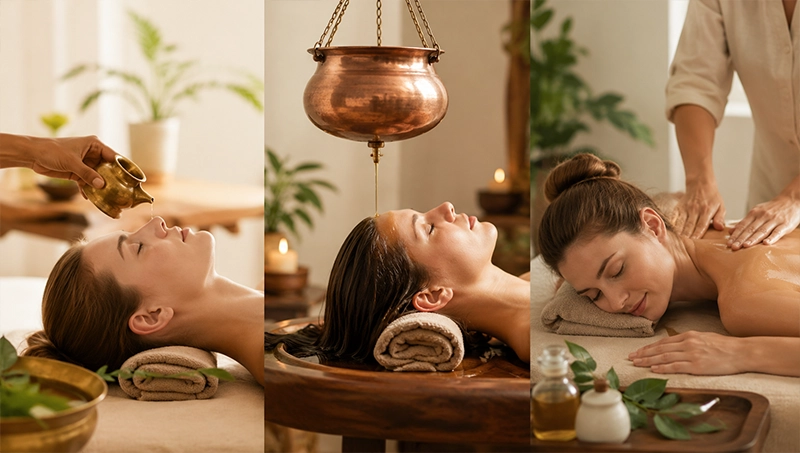
    Ayurvedic Therapies to reduce work stress


    • Shirodhara: A steady stream of warm herbal oil flows across the forehead to quiet an overactive mind. Many people notice a rare sense of mental stillness after the therapy ends.


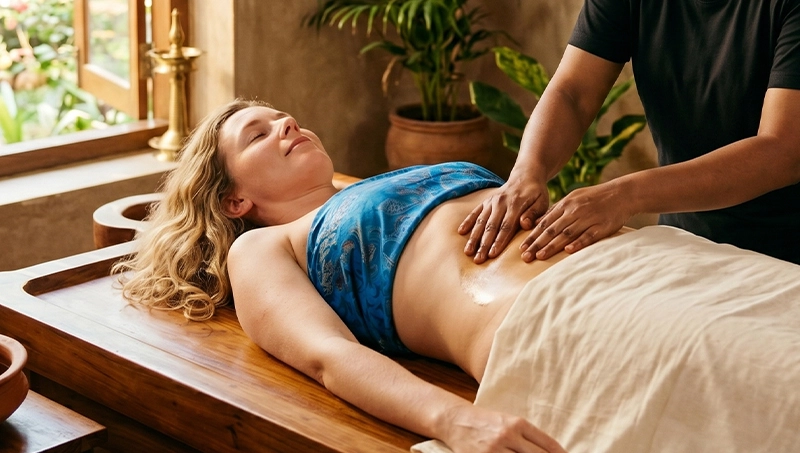
    • Abhyanga: This full-body Ayurvedic oil massage uses medicated oils selected for your body type. It helps release physical fatigue while encouraging the nervous system to slow down naturally.


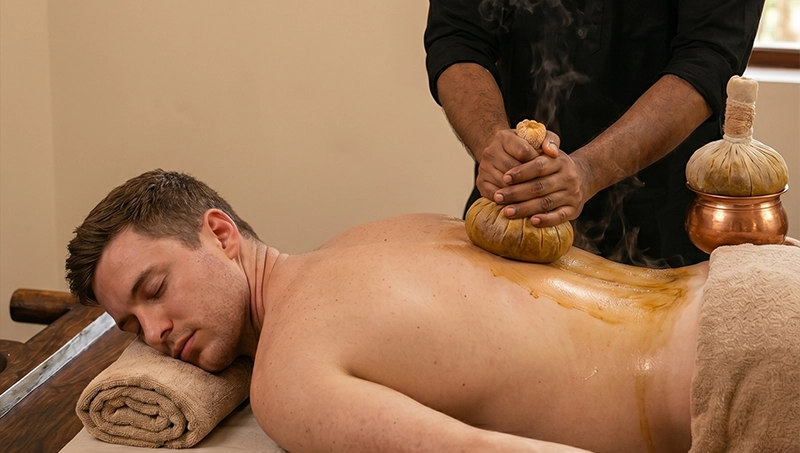
    • Kizhi: Warm herbal bundles are applied with rhythmic pressure to areas holding deep muscular strain. Kizhi is often chosen when stress begins showing up more in the body than the mind.


    • Pizhichil: Streams of warm medicated oil move continuously across the body while therapists perform massage techniques simultaneously. The treatment feels deeply grounding when long-term stress has left the body depleted.


    Ayurvedic Self-Care for Busy Workdays


    Small, consistent habits matter as much as any formal treatment. Principles of stress management in Ayurveda also suggest the following self-care practices that work well within a working week.  


    • Mindful Breaks: Step away from the screen without your phone. Even five minutes of complete mental break can disrupt the cycle of constant stimulation.


    • Warm Meals: The cold, hurried meal is difficult to digest, especially when under stress. Eating a warm, healthy meal at a consistent time will make a much bigger impact on stability than any supplement.


    • Consistent Sleep Routine: Going to sleep around the same hour every day helps the nervous system get ready for sleep. What counts here is consistency.


    • Screen Detox Habits: Avoid all screens for at least thirty minutes prior to going to sleep. Your nervous system needs the chance to transition into relaxation mode.


    • Breathing Practices: Try taking a moment to breathe slowly and mindfully several times during your working hours. This actively reduces the stress response.


    • Self-Care Rituals: Take a few minutes to give yourself a massage with warm oil before your shower or just spend quiet time in contemplation. This will signal the nervous system that the day’s demands are over.


    FAQs


    Why do I feel mentally exhausted after work?

    This occurs due to prolonged periods of brain activity without proper relaxation. Stress management at work rarely accounts for the continuous decision-making, screen exposure and emotional pressure between tasks. Even when work is done, the brain remains active and that’s why you feel tired but still can’t relax in any way.

    Can work stress affect sleep and energy?

    It certainly does. Since work stress leaves the nervous system in a constant excited state, falling asleep becomes almost impossible. Lack of good sleep leads to stress fatigue, and this cycle never stops. Ayurvedic treatment for stress addresses this cycle from both ends rather than treating sleep and energy as separate problems.

    Why does stress make my body feel heavy?

    Stress in Ayurveda is known to throw off natural body balance, causing a toxin buildup both physically and mentally. The heaviness you feel is a real physiological response resulting from cortisol secretion, muscle tension and reduced blood flow. Ayurvedic stress relief revolves around cleansing your body of the built-up toxins using oils and mindful self-care practices.

    What are the signs of workplace burnout?

    One suffers from burnout when there are signs of exhaustion, loss of productivity, and detachment from the job. Some physical symptoms can include heaviness in your body, constant fatigue and inability to have quality sleep. If brain fog, irritability, and anxiety also accompany these symptoms, you should start paying attention to it.

    Can Ayurvedic therapies help burnout recovery?

    Yes, especially the therapies such as Shirodhara and Abhyanga are effective in burnout recovery. What makes Ayurvedic therapies different from other approaches to corporate stress management is that they treat both the body and the mind simultaneously as opposed to just addressing symptoms separately.

    How do I relax after long working hours?

    Warm water, a warm meal and a break from screens form a simple foundation. For deeper recovery, natural remedies for brain fog and body tension such as Ayurvedic oil massage have a measurable effect on how quickly the nervous system settles after a demanding day. If stress fatigue has become a pattern rather than an occasional experience, an ayurvedic consultation is a worthwhile next step.

    Marx Ayur Disclaimer
  • How Abhyanga Massage Helps You Relax Naturally?

    How Abhyanga Massage Helps You Relax Naturally?

    How Abhyanga Massage Helps You Relax Naturally?

    Abhyanga Self Massage Banner

    An Ayurvedic Home Care Routine to Live Stress-Free


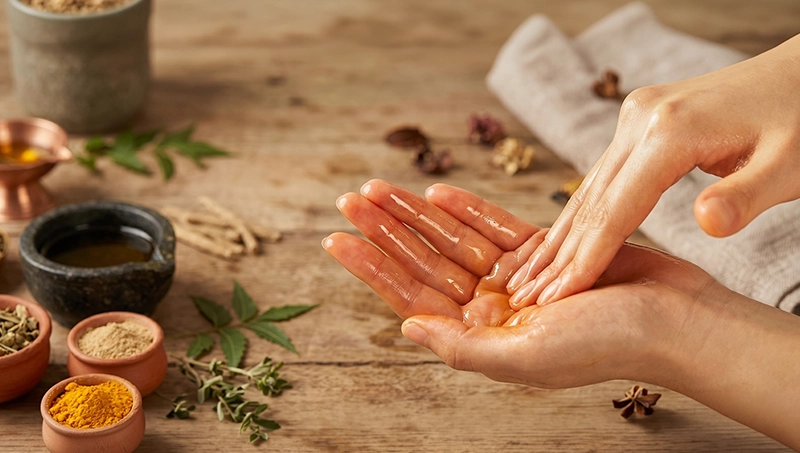
    Modern routines keep the body alert long after the day ends. Abhyanga self-massage creates a softer pause. Warm oil against the skin changes the pace of the evening and encourages the nervous system to settle naturally.


    This traditional ayurvedic oil massage is less about pressure and more about presence. The steady touch helps reduce stress while restoring the sense of calm you crave.


    What Is Abhyanga Self-Massage?


    Abhyanga self-massage is the practice of applying warm medicated oil to the body through intentional strokes. Ayurveda prescribes it as a foundational morning ritual for lasting health.


    This oil application can either be performed by a practitioner or by yourself. Even fifteen minutes of Abhyanga daily can have surprising effects on both your muscle stiffness and emotional fatigue.


    Why Abhyanga Self-Massage Feels So Relaxing?


    Abhyanga Self-Massage


    The relaxation following an ayurvedic self-massage abhyanga session is not just muscular. Warm abhyanga oil massage slows down the sympathetic nervous system, the part of brain that stays on alert. Once that settles, everything else tends to follow. Studies have observed measurable reductions in heart rate and blood pressure after oil massage, and practitioners have documented this for centuries before any study confirmed it.


    There is also something about touch itself. Applying oil with genuine attention to your own body is a form of care most people rarely give themselves.


    A Beginner’s Guide to Abhyanga Self-Massage


    • Warm the oil before you begin

    Cold oil on skin does very little. Gently heating your ayurvedic oil massage base for a minute or two changes everything, improving absorption and signalling the body to soften before a single stroke is made.


    • Start at the scalp, work downward

    Classical abhyanga self-massage instructions begin at the crown of the head. Long strokes down the limbs and circular movements over joints and the abdomen follow the direction of natural circulation and lymphatic flow.


    • Use long strokes on limbs, circular on joints

    For your arms and legs, massage in the direction of hair growth, with long strokes. Joints like knees, elbows, hips, and shoulders work best under circular strokes, as they require greater penetration due to their increased tension.


    • Let the oil sit for at least ten minutes

    This is the step most beginners miss. The oil needs time to penetrate the deeper tissue layers. Wiping it off immediately defeats much of the therapeutic purpose of ayurvedic self-massage abhyanga.


    • Follow with a warm shower, not a bath

    Running water washes away surface residue while leaving the absorbed oil in the tissues where it belongs. A bath pulls more oil out than is ideal. Warm, not hot, water also prevents the body from swinging back into an agitated state.


    Self-Massage Tips for Better Relaxation


    • Set a consistent time

    The body responds to rhythm. Doing your self-massage at the same time each morning or evening, even briefly, builds a cumulative effect that a one-off session never quite replicates.


    • Use enough oil

    A common mistake is being too cautious with quantity. The skin needs genuine coverage to allow the oil to work. Dry patches mean areas of the body are not receiving the treatment they need.


    • Pay attention to the feet

    Foot massage is considered particularly powerful in Ayurveda for calming the nervous system. A few minutes of slow, thorough work here before sleep can meaningfully reduce stress carried through the day.


    • Breathe slowly while you work

    The physical action and the breath work together. Rushed breathing keeps the body in a mild stress response regardless of what your hands are doing. Slow, full breaths deepen the relaxation considerably.


    • Warm the room if possible

    Cold environments work against the oil. A warm bathroom means the pores stay open, absorption is better and the experience itself is far more restorative.


    • Be consistent before expecting results

    A single session is pleasant. Seven days in a row is when things shift. People who report meaningful changes in sleep, muscle stiffness and mood almost always practised regularly rather than occasionally.


    Choosing the Right Oil for Abhyanga Self-Massage


    Oil for Abhyanga Self-Massage


    The right oil depends on skin texture, body sensitivity and how the nervous system feels daily. Some oils feel grounding while others feel cooling. An Ayurvedic consultation may help identify wellness practices suited to your lifestyle.


    • Sesame Oil: This is the most common carrier oil in Classical Ayurvedic Medicine. Highly warming, penetrating fast, it can help reduce muscle stiffness and calm those with Vata dosha who tend to be anxious or restless.


    • Coconut Oil: Inherently cooling and thus making it ideal for Pitta dosha people or summer season use. Excellent for promoting healthy skin and easy to absorb without feeling heavy.


    • Sunflower Oil: A lighter option that works well for Kapha types or anyone who finds sesame too rich. It supports circulation and is a reasonable everyday choice for abhyanga oil massage.


    • Mustard Oil: Intensely warming and stimulating. Used in traditional practice to improve circulation and encourage lymphatic drainage massage effects. Not for everyone, but very effective when appropriate.


    • Medicated Herbal Oils: Prepared by infusing specific Ayurvedic herbs into a carrier base over extended periods. These are what professional practitioners use and carry the most targeted therapeutic value.


    FAQs


    Is Abhyanga self-massage good for busy lifestyles?

    Yes, A daily self-massage session runs under twenty minutes and builds real cumulative benefit. Consistency matters more than duration.

    Can self-massage help reduce stress naturally?

    Ayurvedic Abhyanga self massage affects the nervous system in such a way that it can decrease production of the stress hormone cortisol thereby returning the body to its natural balanced state. As with any Ayurvedic oil massage, one will experience positive effects from regular practice.

    Why do people use Abhyanga self-massage for relaxation?

    Warm oil, soothing massage strokes and the massage oil’s medicinal properties all work together to create the most profound relaxation for the body and mind. While relaxation by means of distraction can be fleeting, Abhyanga brings about a deep calm that pervades the body and allows it to return to a state of balance and stability.

    Can Ayurvedic self massage help stress relief?

    Ayurvedic self massage abhyanga is traditionally practised to calm physical exhaustion and emotional restlessness. The repetitive touch combined with warm oil often creates a steadier feeling throughout the body after long demanding days.

    Is Abhyanga self-massage part of a healthy wellness routine?

    Daily abhyanga self-massage is prescribed alongside proper sleep and diet as one of the core practices for maintaining physical and mental balance. Those with specific health concerns may benefit from combining it with professional Ayurvedic therapies such as Shirodhara or Pizhichil, guided by a qualified practitioner.

    Which oil is best for Abhyanga self-massage?

    Sesame oil is traditionally used as a standard option. People with sensitive or heat-prone skin tend to prefer coconut oil better. An ayurvedic consultation will give you a more precise answer after a proper assessment of your body.

    Marx Ayur Disclaimer
  • Navel Displacement Symptoms & Ayurvedic Treatment

    Navel Displacement Symptoms & Ayurvedic Treatment

    Navel Displacement Symptoms & Ayurvedic Treatment

    Navel Displacement Blog Banner

    Are you struggling with recurring abdominal uneasiness that isn’t easy to define? There are times when the problem is bloating, but there are also instances where it shows up as irregular bowel movements or unexpected fatigue. When symptoms are constantly shifting, one is left with try-and-error quick fixes that may exhaust you further.


    In traditional Ayurvedic understanding, such fluctuating signs are sometimes linked to navel displacement or horizontal belly button, a form of abdominal imbalance. While it may not appear in standard diagnostics, the experience is real for many. Ayurveda studies your body constitution and shifting symptoms to assess whether you need treatment for this structural imbalance or an ordinary core muscle strain that hasn’t affected your central alignment.


    “Navel displacement” is a term commonly used in Ayurveda to describe a functional imbalance in the abdominal region, referred to as Nabhi Sthana Vaishamya. It is not recognised as a medical diagnosis in modern science, yet it is understood as a disturbance that affects abdominal and core stability.


    According to Ayurveda, navel is considered the location where prana (life force) resides. When there is an imbalance in the navel region, it can manifest in the form of improper digestion, irregular discomfort, or lack of appetite.


    Why Ayurveda Considers Navel Your Body’s Power Centre?


    In Ayurvedic philosophy, navel is the power centre called the ‘Manipura Chakra’ (Solar Plexus) that governs movement and overall energy. It is also linked to Agni (digestive fire), which plays a very important role in food intake and body metabolism.

    With a balanced navel centre, your digestive process will be steady and you will have a normal appetite. However, sudden disruption around the naval region can create a domino effect, impacting your body’s overall functionality.


    What are the Common Causes of Navel Displacement?


    Navel displacement occurs because of many factors, rather than a single identifiable cause.

    • Sudden body movements or awkward twists
    • Lifting heavy objects without proper support
    • Weak abdominal muscles
    • Irregular eating habits
    • Stress upsetting the stomach
    • Repeated physical strain
    • Poor posture that happens over time


    Navel Displacement vs Core Muscle Strain


    It is common to misinterpret navel displacement as core muscle strain since both cases usually happen after physical exertion. But the pattern of symptoms and how they evolve can reveal what the body is actually dealing with.


    Aspect Navel Displacement Core Muscle Strain
    Nature Functional abdominal imbalance Physical muscle injury from strain
    Pain Pattern Shifting, inconsistent discomfort Localised, sharp or sore pain
    Digestion Often affected (bloating, irregular bowels) Usually unaffected
    Appetite May show noticeable changes in appetite No significant change
    Trigger Sudden strain, imbalance or routine disruption Physical exertion, improper lifting
    Recovery Needs internal balance restoration Improves with rest and muscle care


    Ayurvedic Treatment for Navel Displacement


    Ayurvedic Treatment for Navel Displacement


    The ayurvedic approach to treatment examines the factor that caused the disruption of abdominal balance and operates on a holistic level by means of hands-on methods, complementary therapies, medicinal herbs, and minor adjustments in lifestyle.

     
    • Gentle Realignment Techniques

    The traditional method of Nabhi correction involves gentle and careful techniques performed by professionals who can help reposition the navel back to its right place.

     
    • External Therapies for Stability

    Abhyanga using warm medicated oils, often with castor oil or herbal blends, is applied over the abdomen to relax the muscles and reduce Vata-related disturbance around the navel region.

     
    • Internal Support Through Herbal Medicine

    Herbs like ajwain, hing, triphala, ginger, and cumin are effective in improving digestion and managing bowel movement.

     
    • Diet & Routine Adjustments

    The simple practice of consuming warm digestible food on time and herbal drinks like jeera water or ginger water can help regulate digestion without putting stress on the body.


    Benefits of Ayurvedic Treatment

     
    • Promotes natural digestion cycle
    • Reduces bloating and stomach pain
    • Corrects the imbalance around the navel
    • Improves appetite and strengthens the gut
    • Enhances overall gut health
    • Brings permanent relief rather than temporary fixes
    • Helps prevent recurring problems through better lifestyle habits
    • Ensures proper functioning of entire body
     

    Simple Precautions to Avoid Recurrence

     
    • Avoid sudden lifting or strain
    • Follow a regular meal schedule
    • Gradually build up your core strength
    • Never skip a meal and always eat warm and fresh
    • Try to maintain healthy posture when sitting
    • Take care of digestive issues in the early stages
    • Keep yourself active but don’t push too hard
    • Ensure proper rest after heavy physical work

    Ayurveda: Bringing the Body Back to Balance


    Navel displacement is one of those issues where you feel something is clearly off, but is hard to pinpoint. It shows how even a small imbalance in the abdomen can affect digestion and overall well-being.


    Ayurvedic treatments prioritise slow and systematic improvement of the digestive process, stabilisation of bodily rhythms, and release of abdominal tension to restore lost equilibrium. If your digestion feels off or your body constantly feels out of sync, perhaps taking the Ayurvedic route may benefit.

    FAQs

    Why does my belly button look horizontal?

    The belly button is naturally aligned perpendicular to the spine, around the third and fourth lumbar vertebrae. A horizontal appearance may occur due to weakening or strain in the surrounding abdominal muscles.

    What are symptoms of navel displacement?

    Symptoms vary from person to person. Some may experience irregular digestion or bloating, while others feel discomfort around the navel or notice changes in appetite. These symptoms often shift rather than remain constant.

    How to fix navel displacement naturally?

    Maintaining regular meal timings, avoiding heavy lifting, and practicing mild yoga can support natural recovery. Ayurvedic treatments, including personalized oil massages, may help reduce tension around the navel area.

    Can Ayurveda treat navel displacement?

    Ayurveda focuses on improving digestion and abdominal stability rather than targeting a single point. With appropriate therapies and lifestyle adjustments, many individuals experience relief and improved balance.

    Why am I having digestive issues and abdominal imbalance?

    Common causes include physical strain, irregular eating habits, and unhealthy lifestyle practices. In Ayurveda, this is often linked to an imbalance of Vata and weakened Agni (digestive power).

    Marx Ayur Disclaimer
  • Natural Hair Loss Treatment in Ayurveda for Regrowth

    Natural Hair Loss Treatment in Ayurveda for Regrowth

    Natural Hair Loss Treatment in Ayurveda for Regrowth

    Hair Loss Treatment Banner

    People have the tendency to wave off hair concerns, labelling it as something that happens to everyone, but only the person experiencing it knows how it feels. Finding hair that should be on your head collecting in the corners of rooms, tangled in shower drains, and threaded through combs are not pleasing visuals; they’re stressful, daily reminders of something changing within you.


    Ayurveda views hair loss as a signal that speaks volumes about the individual’s internal imbalances. Hair is considered an extension of Asthi Dhatu (bone or skeletal tissue), so when the tissues aren’t properly nourished, hair is one of the first areas to get affected. Ayurvedic treatment for hair loss and regrowth aims to rectify the deficiencies within your body that hinder nourishment of scalp roots.


    What Causes Hair Loss According to Ayurveda?


    Hair loss tells you the body’s struggle to supply essential nutrients to the roots. When digestion weakens, metabolic waste (Ama) can accumulate and interfere with this process. Some of the common causes that trigger hair loss are:


    • Excess Pitta leading to heat and follicle stress
    • Weak digestion limiting nutrient absorption
    • Toxin buildup (Ama) obstructing hair roots
    • Prolonged stress affecting internal stability
    • Poor circulation reducing root nourishment
    • Irregular routines disrupting hair repair cycles
     

    How does Ayurveda approach hair fall naturally?


    Ayurvedic remedies for hair loss are multi-faceted and do not rely on treating just the scalp. First, they improve your digestion so that you can efficiently absorb nutrients, followed by cleansing blocked pathways and lowering internal heat associated with Pitta.


    • Hair Oiling Practices: Regular application helps to nourish the scalp and promote circulation within the follicles.


    • Specialised Clinical Therapies: Qualified practitioner-led treatments reduce long-built stress and improve nutrient flow across the scalp.


    • Internal Herbal Support: Consuming personalised herbal formulations proven to strengthen tissues and long-term hair health.


    • Dietary Modifications: Choosing cooling, Pitta-pacifying foods enables nutritional supply to the scalp with minimum toxins.
     

    Ayurvedic Treatment for Hair Loss and Regrowth


    The choice of treatment depends on the source of the problem, either stress, dryness, or poor circulation, since each treatment addresses a specific bodily imbalance causing hair loss.


    Ayurvedic treatment for hair loss


    • Shiro Abhyanga: Application of warm oil by means of a slow and rhythmic massage boosts blood circulation across the scalp.


    • Shirodhara: Warm oil dripping continuously in one straight line over the forehead to calm the stressed nerves.


    • Indian Head Massage: Custom oil is applied in a circular motion from shoulders to scalp to relieve built-up tensions.


    • Panchakarma Detox: Five elimination treatments done over a period sequentially to cleanse internal toxins that hinder nutrients.


    • Nasyam: Nasal administration of herbal oils clears the pathway above the neck, supporting nutrient delivery to head.
     

    What Should You Eat (and Avoid) for Healthier Hair?


    What you eat reflects on your hair, either as healthy shine or as gradual thinning and shedding. Foods that are light and easy to digest support hair at the root while heavily processed or heat-generating foods quietly work against it.


    Foods to Eat


    • Amla for antioxidant support and cooling effect
    • Methi for protein and improved circulation
    • Sesame seeds deliver mineral support
    • Ghee and coconut help with internal lubrication
     

    Foods to Avoid


    • Over-spiced and fried foods that increase internal heat
    • Processed sugar and refined foods often slow digestion
    • Excessive consumption of caffeine and alcohol can dry the scalp
     

    Best Ayurvedic Herbs for Hair Growth


    Certain herbs offer slow yet steady support for hair health with no risk of treatment dependency. Those traditional scalp-healing botanicals include:


    • Bhringraj: Promotes healthy functioning of follicles through improved blood flow in the scalp.


    • Amla: Works to decrease internal body heat associated with hair loss and greying.


    • Brahmi: Relaxes the body which indirectly contributes to better hair health.


    • Neem: Keeps your scalp free of impurities through proper cleansing.


    • Ashwagandha: Helps in handling stress and its resultant hair fall problem.


    • Shikakai: Clarifies your hair scalp without removing the natural oils present there.
     

    When Should You Visit a Hair Growth Clinic?


    If underlying imbalances remain unaddressed, your hair may stop responding to basic home care routines. Clinical guidance helps identify what is actually driving hair fall and allows treatment to be adjusted accordingly. Following are some indicators signalling you need professional consultation.


    Hair Growth


    • Hair fall continues without slowing over time
    • Thinning or widening of hair parting
    • Sudden shedding after stress or illness
    • Scalp problems such as itchiness or dandruff
    • Early greying along with hair loss
    • No improvement despite consistent care
     

    Reclaim Your Hair Health, Naturally


    Hair regrowth tends to respond to consistency rather than quick changes. When internal function improves and the scalp receives steady support, results begin to follow in a more stable way.

    Hair fall lingering despite your genuine efforts is usually a sign that something deeper needs attention and that is where the role of professional Ayurvedic care arises. Treatments personalised to your body’s demands always ensure lasting results.

    FAQs

    Can Ayurveda help with severe hair loss conditions?

    Yes, Ayurveda can support even severe hair loss conditions when followed consistently. Instead of focusing only on the scalp, it works on identifying internal imbalances such as poor digestion, excess heat (Pitta), or stress. By improving nutrient absorption, detoxifying the system, and strengthening hair roots over time, Ayurvedic treatments aim to restore the natural hair growth cycle gradually and sustainably.

    Is Ayurvedic treatment for hair loss safe for long-term use?

    Yes, Ayurvedic treatments are generally safe for long-term use because they rely on natural herbs, oils, and therapies. Unlike chemical-based treatments that may cause dependency or side effects, Ayurveda focuses on gradual improvement and internal balance. When guided by a qualified practitioner, these treatments can be continued for extended periods to maintain healthy hair and scalp conditions.

    Is stress a major reason behind hair loss?

    Yes, stress is one of the major contributors to hair loss. When the body is under constant stress, it disrupts hormonal balance and affects blood circulation to the scalp. This weakens hair follicles and can lead to increased shedding, thinning, or delayed regrowth. Managing stress through relaxation therapies, proper sleep, and Ayurvedic practices can significantly improve hair health.

    Can Ayurvedic herbs regrow hair on bald patches?

    It depends on the condition of the hair follicles. If the follicles are still active but weakened, Ayurvedic herbs such as Bhringraj, Amla, and Brahmi may help stimulate regrowth by improving blood circulation and nourishment. However, in cases where follicles have been inactive for a long time, complete regrowth may not be possible. Early intervention increases the chances of visible improvement.

    Can I combine Ayurvedic treatment with modern hair treatments?

    In many cases, Ayurvedic and modern treatments can be combined, but it should always be done under expert guidance. Some herbs or oils may interact with medications or affect how the scalp responds to clinical procedures. A balanced approach, tailored to your condition, ensures better results without causing sensitivity or adverse effects.

    Are Ayurvedic remedies better than chemical treatments for hair loss?

    Both approaches have their advantages. Chemical treatments often provide faster visible results, but they usually require continuous use to maintain those results. Ayurveda, on the other hand, works more slowly but focuses on addressing the root cause of hair loss. Over time, it aims to restore natural hair health and reduce dependency on external treatments, making it a more sustainable long-term solution.

    Marx Ayur Disclaimer